9 Proven Mobile App Monetization Strategies for 2026

December 8, 2025

In the crowded digital marketplace of 2025, a brilliant app idea is only the first step. The real challenge lies in transforming downloads into sustainable revenue. Choosing the right monetization model is a critical decision that can define your app’s trajectory, profoundly impacting user acquisition, engagement, and long-term profitability. Getting this wrong can alienate users and stall growth, while the right approach creates a scalable, successful business.

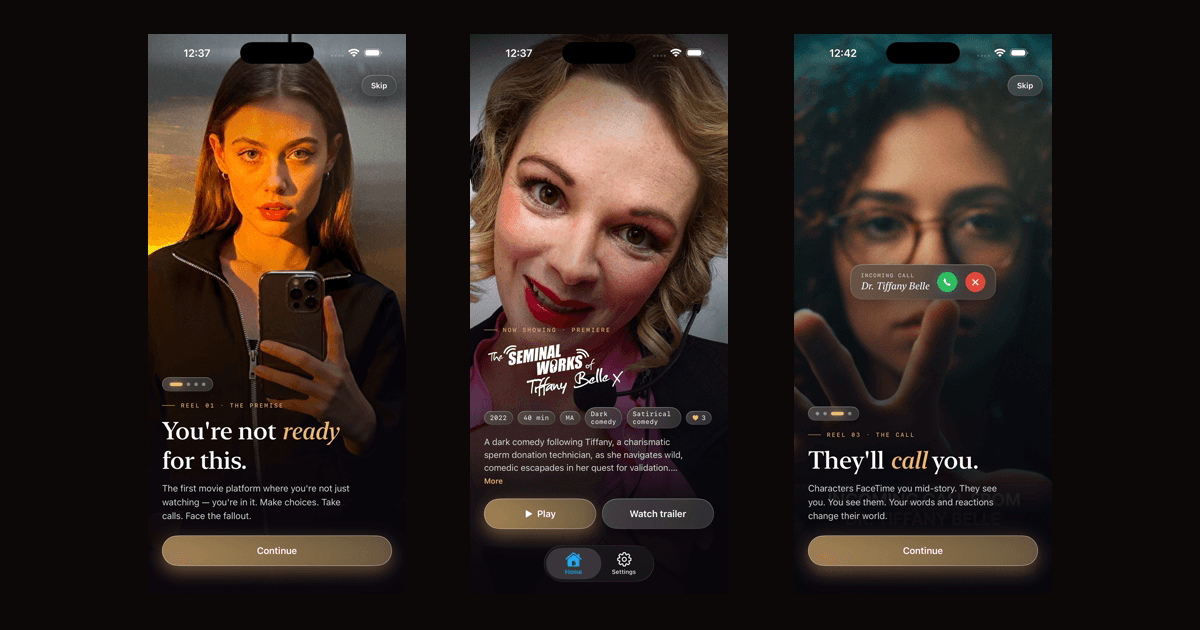
Interactive Movies Are Here

The future of storytelling on your iPhone. Download now.

Download on the App Store

While some developers find success with a single approach, many of today’s top-performing apps use a hybrid model, blending multiple strategies to diversify and maximize income streams. This guide moves beyond surface-level definitions to provide a comprehensive breakdown of the most effective mobile app monetization strategies available. We will dissect each model, offering an in-depth look at its core mechanics, distinct advantages, and potential drawbacks.

You will gain actionable insights and specific implementation tips for each of the nine primary revenue models, from the ubiquitous freemium and in-app purchase systems to more nuanced approaches like data monetization and strategic partnerships. For each strategy, we will explore:

  • Core Mechanics: How the model functions at a practical level.
  • Pros and Cons: A balanced view to help you weigh the trade-offs.
  • Best-Fit Scenarios: Identifying which app categories and user bases are most suitable.
  • Real-World Examples: Concrete instances of successful implementation.

This detailed analysis is designed to equip you with the knowledge needed to select, combine, and implement the perfect framework for your app’s unique value proposition and target audience. Our goal is to ensure you’re not just building a great product, but a thriving and profitable business.

1. Freemium Model

The Freemium model stands as one of the most popular and effective mobile app monetization strategies, acting as a powerful engine for user acquisition. The core concept is simple yet potent: offer a version of your app for free to attract a large user base, then provide premium, paid features for users who want an enhanced experience. This “free-to-premium” pathway allows users to experience your app’s core value firsthand, building trust and demonstrating its utility before asking for a financial commitment.

This approach effectively lowers the barrier to entry, maximizing downloads and market penetration. Users can explore basic functionalities without risk, making them more likely to integrate the app into their daily routines. Success hinges on a delicate balance: the free version must be genuinely useful and engaging on its own, while the premium version must offer compelling, high-value upgrades that dedicated users are willing to pay for.

How It Works & Key Examples

The freemium strategy is versatile, implemented through various limitations in the free tier. For example, Spotify offers ad-supported listening for free but reserves ad-free, offline playback for its premium subscribers. Similarly, Dropbox provides a limited amount of free cloud storage, prompting users who need more space to upgrade to a paid plan. Productivity apps like Evernote and collaboration tools like Zoom also excel with this model, restricting advanced features or usage limits (like Zoom’s 40-minute meeting cap) to encourage upgrades from their most active users.

Key Insight: The most successful freemium apps don’t cripple the free experience. Instead, they strategically gate features that power users, professionals, or highly engaged individuals will find indispensable.

Implementation Tips

To effectively implement a freemium model, focus on creating a clear and logical upgrade path.

  • Provide Genuine Value: Your free version is your best marketing tool. Ensure it solves a real problem for the user, so they see its potential and feel motivated to unlock more.
  • Define Compelling Premiums: Clearly differentiate what’s free versus what’s paid. Premium features could include removing ads, unlocking advanced functionality, offering more storage, or enabling unlimited usage.
  • Use Strategic Prompts: Don’t constantly bombard users with upgrade requests. Instead, present gentle, context-aware prompts when a user attempts to access a premium feature or hits a usage limit.

The following summary box highlights the typical conversion reality of this model, underscoring the importance of a large user base.

Infographic showing key data about Freemium Model

This data reveals that success with the freemium model is a numbers game; you need a substantial free user base to generate meaningful revenue from the small percentage who convert.

2. In-App Purchases (IAP)

In-App Purchases (IAP) represent one of the most direct and lucrative mobile app monetization strategies, especially dominant in the gaming sector. This model allows users to download and use the app for free but offers optional digital goods for purchase directly within the app experience. These goods can range from consumable items, like extra lives or in-game currency, to durable goods like character skins or unlocking new levels.

In-App Purchases (IAP)

Unlike the freemium model that gates features, IAP focuses on enhancing or accelerating the user’s experience through optional transactions. The app’s core loop remains accessible to everyone, but players who wish to progress faster, customize their experience, or gain a competitive edge can do so by making purchases. This strategy thrives by integrating transactional opportunities seamlessly into the natural flow of app usage, particularly in engaging gameplay.

How It Works & Key Examples

The IAP model is famously powered by the sale of virtual items. For instance, Candy Crush Saga by King allows players to buy extra moves and powerful boosters to clear difficult levels. Supercell’s Clash of Clans built an empire by selling gems, a premium currency used to speed up building times and train troops. More recently, Pokémon GO lets users buy PokéCoins to acquire items like Incubators and Lure Modules, while Fortnite has revolutionized the model with its non-advantageous cosmetic items like skins and a seasonal Battle Pass.

Key Insight: The most successful IAP models offer items that enhance the experience without making the app feel like a “pay-to-win” system. The focus should be on value-added content, convenience, or self-expression rather than creating frustrating paywalls.

Implementation Tips

To implement an IAP strategy effectively, you must balance revenue goals with user satisfaction.

  • Offer Diverse Price Points: Cater to different user budgets by providing a range of items, from low-cost consumables to higher-priced bundles. This ensures both casual spenders and “whales” can find value.
  • Create Scarcity and Urgency: Introduce limited-time offers, seasonal items, or special event bundles to encourage timely purchases and drive engagement.
  • Balance Gameplay Carefully: Ensure that non-paying users can still enjoy and progress through the app. A frustrating experience will drive users away, while a fair and fun one will build a loyal community more willing to spend. To see how this is applied in modern titles, you can learn more about how IAP is used in interactive mobile games.

This video from Google for Developers provides an excellent overview of setting up your IAP strategy.

By thoughtfully integrating these purchases, you can create a powerful and sustainable revenue stream without alienating your core user base.

3. Subscription Model

The Subscription model has rapidly become a cornerstone of the modern app economy, offering one of the most reliable mobile app monetization strategies available. It centers on a recurring revenue model where users pay a regular fee, typically monthly or annually, for continuous access to an app’s content, services, or premium features. This approach transforms one-time customers into long-term, engaged users, creating a predictable and sustainable income stream for developers.

Unlike single-purchase models, subscriptions foster an ongoing relationship between the developer and the user. Success depends on consistently delivering value that justifies the recurring cost. This model is particularly effective for content-driven apps (like streaming or news) and service-oriented tools where users derive ongoing benefits from access.

How It Works & Key Examples

The subscription model thrives by providing exclusive, high-value experiences that users are willing to pay for repeatedly. For instance, Netflix revolutionized media consumption by offering unlimited access to its vast library of movies and TV shows for a monthly fee. Similarly, meditation app Headspace provides a library of guided sessions and mindfulness courses, with new content regularly added to keep subscribers engaged.

Other prominent examples include Adobe Creative Cloud, which grants access to its suite of powerful software, and Duolingo Plus, which removes ads and unlocks advanced learning features like offline lessons. These apps succeed by becoming integral to the user’s lifestyle, whether for entertainment, wellness, or productivity.

Key Insight: The subscription model’s power lies in its ability to create a high lifetime value (LTV) per user. The focus shifts from acquiring new customers to retaining and satisfying existing ones, which is often more cost-effective.

Implementation Tips

To build a successful subscription-based app, focus on demonstrating and maintaining long-term value.

  • Offer Free Trial Periods: Reduce the initial friction and allow users to experience the full value of your premium offering risk-free. This is a proven method for boosting conversion rates.
  • Provide a Clear Value Proposition: Users must understand exactly what they are paying for and why it’s worth the recurring fee. Continuously add new content, features, or updates to reinforce this value.
  • Implement Retention Strategies: Actively work to reduce churn. Use push notifications, email campaigns, and personalized content recommendations to keep users engaged and remind them of the app’s benefits.

4. Advertising Revenue

The Advertising Revenue model is one of the most classic and widely adopted mobile app monetization strategies, allowing developers to offer their applications entirely for free to users. The core principle involves partnering with ad networks to display advertisements within the app, generating income based on metrics like impressions (views), clicks (engagement), or specific user actions (like an app install). This keeps the app accessible to the largest possible audience while creating a consistent revenue stream.

Advertising Revenue

This strategy is particularly effective for apps with high daily active users, such as casual games, social media platforms, and news aggregators. The trade-off is managing the user experience; an app overloaded with intrusive ads can alienate and drive away users. Success depends on finding the right ad formats and frequency that complement, rather than disrupt, the user’s journey.

How It Works & Key Examples

App developers integrate an ad network’s Software Development Kit (SDK) like Google AdMob or Meta Audience Network into their app. This allows various ad types to be served dynamically. For example, social giants like Facebook and Instagram seamlessly integrate sponsored posts into user feeds. YouTube has perfected the pre-roll and mid-roll video ad. Hyper-casual games like the original Angry Birds famously used banner ads and interstitial ads (full-screen ads shown between levels) to monetize their massive player base.

Key Insight: The most effective ad-based monetization doesn’t feel like a penalty. Instead, it’s integrated naturally into the app’s flow or offers a clear value exchange, such as a rewarded video ad that gives a user an in-game life.

Implementation Tips

To successfully implement an ad revenue model, you must prioritize the user experience while maximizing income.

  • Balance Ad Frequency: Overwhelming users with ads is the fastest way to increase churn. Test different frequencies and placements to find a sweet spot that doesn’t disrupt core app functionality.
  • Use Rewarded Video Ads: Offer users an option to watch a video ad in exchange for a tangible benefit, like extra points, a hint, or premium content. This opt-in approach leads to higher engagement and better user sentiment.
  • Optimize Ad Placement: Place ads in natural transition points, such as after completing a level, before a new session, or within content feeds. Avoid placements that interfere with buttons or essential navigation. Using interactive video ads can significantly boost engagement; learn more about how to make interactive videos to enhance this strategy.

5. Paid App Download

The Paid App Download model represents one of the most traditional and straightforward mobile app monetization strategies. The premise is simple: users pay a one-time, upfront fee to purchase, download, and gain full access to your application. This direct transaction provides immediate revenue for every download, creating a clear and predictable income stream from the outset.

Unlike freemium or ad-supported models, this approach doesn’t rely on in-app purchases or a massive user base to generate revenue. Instead, it stakes its success on a powerful value proposition. The app must be compelling enough for a user to make a financial commitment based solely on its App Store or Google Play listing, including screenshots, descriptions, and user reviews. This model is often favored for high-quality, niche applications, or premium games that offer a complete, self-contained experience without interruptions.

How It Works & Key Examples

In this model, the app store serves as the point of sale. A user finds the app, sees the price, and decides whether the perceived value justifies the cost. Once purchased, they own the license to use the app indefinitely. This strategy is highly effective for apps with a strong reputation or a clearly defined, high-utility purpose.

For instance, the incredibly popular game Minecraft requires an upfront payment for its mobile version, giving players full access to its expansive world. Award-winning puzzle game Monument Valley also uses this model, offering its stunning, artistic experience for a one-time fee. On the productivity side, professional-grade digital illustration app Procreate and the advanced calendar app Fantastical both command a premium price, attracting serious users who need powerful tools and are willing to pay for quality and a superior, ad-free experience.

Key Insight: The paid download model thrives on perceived value and trust. Your app’s marketing, brand reputation, and App Store presence must convince users that the experience they are about to purchase is worth the cost, sight unseen.

Implementation Tips

To succeed with a paid app, your launch and marketing strategy must be flawless.

  • Showcase with Rich Media: Use high-quality screenshots and compelling video trailers to demonstrate your app’s functionality and user experience.
  • Write Detailed Descriptions: Clearly articulate the app’s features, benefits, and unique selling points. Leave no doubt in the potential buyer’s mind about what they are getting.
  • Cultivate Positive Reviews: Encourage early adopters to leave reviews. A high star rating and positive feedback are critical social proof that can justify the upfront cost to new users.
  • Consider Promotional Pricing: Use limited-time discounts or launch promotions to create urgency and drive initial downloads, which can help build momentum and visibility in the app stores.

6. Affiliate Marketing

Affiliate marketing is a performance-based monetization strategy where app publishers earn a commission by promoting another company’s products or services. This approach transforms your app into a curated marketplace, generating revenue when users click on an affiliate link and complete a desired action, typically a purchase. It’s an effective way to monetize an audience without directly charging them, making it a valuable addition to the toolkit of mobile app monetization strategies.

This model is particularly potent for apps with a dedicated, niche audience. By recommending relevant and high-quality products, you can add value for your users while creating a new revenue stream. The success of this strategy relies heavily on trust; users are more likely to act on recommendations that feel authentic and genuinely useful, rather than intrusive advertisements.

How It Works & Key Examples

The implementation of affiliate marketing can be seamless and contextually relevant. For instance, a fitness app might promote specific workout equipment or nutritional supplements, earning a commission from sales. Price comparison and coupon apps like Honey and cashback platforms like Rakuten have built their entire business models around this concept. They direct traffic to retail partners and earn a percentage of the sales they facilitate.

Similarly, a book review app could use the Amazon Associates program to link directly to the books it reviews on the Amazon store. When a user buys the book through that link, the app publisher receives a commission. This creates a natural, non-disruptive monetization path that aligns with the app’s core purpose.

Key Insight: The most successful affiliate marketing integrations feel like a natural extension of the app’s content. The key is to recommend products or services that genuinely enhance the user’s experience and align with their interests.

Implementation Tips

To effectively implement an affiliate marketing model, focus on relevance and transparency to maintain user trust.

  • Choose Relevant Partners: Select affiliate products or services that align perfectly with your app’s content and your audience’s needs. A mismatched recommendation can feel like a spammy ad and erode trust.
  • Disclose Relationships Transparently: Always be upfront about your affiliate relationships. A simple disclosure like “We may earn a commission from purchases” builds credibility and is often required by law and affiliate program terms.
  • Focus on Genuine Recommendations: Promote products you genuinely believe in. An authentic endorsement is far more powerful and effective than simply pushing the product with the highest commission.
  • Track and Optimize: Use analytics to track which links are getting clicks and conversions. Monitor your performance metrics to understand what resonates with your users and optimize your strategy accordingly.

7. Sponsorship and Partnerships

Sponsorship and partnerships represent a highly effective and often underutilized mobile app monetization strategy. This model involves collaborating with other brands that pay to have their products, services, or content featured directly within your app. It moves beyond simple banner ads, creating integrated experiences that feel authentic and add value for the user, especially when the partner brand aligns perfectly with your app’s purpose and audience.

This approach is particularly powerful for apps that have cultivated a dedicated, niche user base. Brands are constantly searching for direct channels to reach specific demographics, and your app can serve as that valuable conduit. Success depends on building a genuine connection between your app, your users, and the sponsoring partner, ensuring the collaboration enhances the user experience rather than disrupting it.

How It Works & Key Examples

Sponsorships can take many forms, from co-branded content to integrated features. For instance, the fitness tracking app Strava frequently partners with athletic brands like New Balance and Lululemon to sponsor challenges, offering users exclusive rewards for completing certain activities. Navigation app Waze partners with businesses like McDonald’s and Shell, allowing them to appear as branded pins along a user’s route.

Similarly, the meditation app Calm collaborates with major brands and celebrities, like its partnership with American Express for exclusive content. Even Spotify leverages this model with branded playlists curated by partners like Nike or Starbucks, seamlessly integrating a brand’s identity into the listening experience. These examples show how a partnership can feel like a natural feature, not an intrusive advertisement.

Key Insight: The most successful partnerships feel like a native part of the app experience. When a sponsor’s goals align with the app’s core function, the collaboration can provide real value to the user instead of just being an ad.

Implementation Tips

To execute a successful sponsorship strategy, you must prioritize authenticity and mutual benefit.

  • Choose Aligned Sponsors: Your credibility is paramount. Only partner with brands that align with your app’s values and mission. A fitness app partnering with a fast-food chain, for example, would likely alienate its user base.
  • Create Compelling Packages: Don’t just offer ad space. Build tiered sponsorship packages that include co-branded content, sponsored challenges, exclusive rewards, or API integrations. Clearly define the value and metrics (e.g., impressions, engagement) you can deliver.
  • Maintain User Trust: Be transparent about sponsored content. Clearly label partnerships to maintain editorial independence and the trust you’ve built with your users. Never compromise the user experience for a sponsor’s request.

8. Data Monetization

Data monetization is one of the more complex and controversial mobile app monetization strategies, but it can be highly lucrative when handled ethically and transparently. The core principle involves collecting anonymized, aggregated user data and selling the resulting insights to third-party companies. These insights can be invaluable for market research, trend analysis, urban planning, and advertising intelligence.

This strategy operates in the background, often without direct user interaction beyond the initial consent. Its success is entirely dependent on building user trust and adhering strictly to global privacy regulations. When implemented correctly, it provides a powerful revenue stream that doesn’t disrupt the user experience with ads or paywalls. However, it requires significant legal and technical diligence to protect user privacy and maintain compliance.

How It Works & Key Examples

The process involves collecting non-personally identifiable information (non-PII) from a large user base, aggregating it, and then providing it to data buyers. For instance, a weather app might sell aggregated and anonymized location data to hedge funds trying to predict commodity futures or to retail chains planning inventory. Similarly, fitness apps can provide anonymized health trend data to public health organizations or research institutions.

Social media giants like Facebook and search engines like Google are the most prominent examples, using vast datasets to power their hyper-targeted advertising platforms. Data platforms like SafeGraph also partner with apps to procure anonymized points-of-interest data, which helps businesses understand foot traffic patterns and make informed real estate decisions.

Key Insight: This model’s viability rests on scale and anonymity. The value is not in individual user data but in the large-scale, aggregated trends that emerge from a massive, diverse user base.

Implementation Tips

Navigating data monetization requires a “privacy-first” approach from day one.

  • Ensure Full Compliance: Strictly adhere to privacy laws like GDPR in Europe and CCPA in California. Failure to comply can result in severe financial penalties and irreparable damage to your brand’s reputation.
  • Implement Robust Anonymization: Your top priority is to strip all personally identifiable information from the data you collect. Use techniques like hashing, aggregation, and differential privacy to ensure individual users cannot be re-identified.
  • Provide Radical Transparency: Be crystal clear with users about what data you collect and how it will be used. Your privacy policy should be easy to understand, and you must obtain explicit user consent through a clear opt-in process. This is especially true as data becomes more central to new forms of media, as seen with the rise of the interactive streaming service.

9. Marketplace Commission

The Marketplace Commission model is a powerful monetization engine built on facilitating transactions between two distinct user groups: buyers and sellers. This strategy transforms your app into a digital intermediary, creating value by connecting a need with a solution and taking a percentage fee or a flat rate from each successful transaction. It’s one of the most scalable mobile app monetization strategies because your revenue grows directly in line with the platform’s transaction volume.

Success with this model depends on solving the classic “chicken-and-egg” problem: attracting enough sellers to make the platform valuable for buyers, and enough buyers to make it worthwhile for sellers. When balanced correctly, it creates a self-sustaining ecosystem where each side of the marketplace reinforces the growth of the other. The app’s primary role is to provide the infrastructure, trust, and user base to make these connections seamless and secure.

How It Works & Key Examples

This model is the backbone of the modern gig and sharing economy. For instance, Uber and Lyft don’t own cars; they connect riders with drivers and take a commission from every ride fare. Similarly, Airbnb facilitates short-term rentals between hosts and guests, earning a service fee from both parties. E-commerce platforms like Etsy thrive by enabling artisans to sell to a global audience, charging transaction, listing, and payment processing fees. Service apps like TaskRabbit connect people who need help with odd jobs to skilled “Taskers,” taking a cut of the service payment.

Key Insight: The most successful marketplace apps focus obsessively on building trust. Features like user reviews, secure payment processing, identity verification, and dispute resolution are not add-ons; they are core to making users feel safe enough to transact.

Implementation Tips

To build a thriving marketplace, you must strategically manage supply and demand while fostering a secure environment.

  • Solve for One Side First: Often, it’s easier to focus on attracting one side of the market initially. For example, focus on onboarding a critical mass of high-quality service providers or sellers first to create an attractive inventory for buyers.
  • Implement Strong Trust & Safety Measures: Integrate robust user verification, a transparent rating and review system, and secure payment gateways. A clear and fair dispute resolution process is essential for long-term viability.
  • Optimize Your Commission Structure: Start with a simple, transparent fee structure. As your platform matures, you can explore dynamic pricing, charging different rates based on the transaction value, category, or seller performance to maximize revenue and fairness.

Mobile App Monetization Strategies Comparison

Monetization Model Implementation Complexity 🔄 Resource Requirements ⚡ Expected Outcomes 📊 Ideal Use Cases 💡 Key Advantages ⭐
Freemium Model Medium – requires two product tiers High – maintain free & premium versions Moderate conversion (1-5%) to premium Apps with scalable features, clear value Low entry barrier, large user base
In-App Purchases (IAP) High – requires virtual goods setup High – content creation and pricing High per-user revenue, recurring Games, apps with consumables or upgrades Flexible pricing, personalized offers
Subscription Model Medium-High – recurring billing setup Medium – content/features maintenance Predictable, stable recurring revenue Content delivery, continuous services High lifetime value, user engagement
Advertising Revenue Low – integrate ad SDKs Medium – large user base essential Variable, depends on impressions & clicks Free apps with high user volume Keeps app free, scalable revenue
Paid App Download Low – one-time purchase integration Low – single version development Immediate revenue, limited ongoing High-value apps, niche markets Immediate income, clean UX
Affiliate Marketing Low-Medium – affiliate integration Low – focus on content and partnerships Variable, performance-based earnings Content apps, product recommendation apps Passive income, no upfront cost
Sponsorship & Partnerships Medium – negotiation & brand alignment Medium-High – custom content creation High revenue per deal, inconsistent Niche apps with engaged audiences High payout, stronger sponsor control
Data Monetization High – data collection & privacy compliance Medium – analytics & legal expertise Passive revenue, but privacy risks Apps with rich user data Scalable, valuable insights
Marketplace Commission High – payment, trust systems, legal High – two-sided platform management Revenue scales with transactions Platforms connecting buyers & sellers Network effects, multiple revenue streams

Crafting Your Winning Monetization Blueprint

The journey through the diverse landscape of mobile app monetization strategies reveals a fundamental truth: there is no single “best” solution. We’ve explored everything from the accessible Freemium model and the direct revenue of In-App Purchases to the predictable income of Subscriptions and the broad reach of Advertising. Each approach, whether it’s the premium feel of a Paid App, the collaborative power of Sponsorships, or the niche potential of Affiliate Marketing, offers a unique set of tools for building a sustainable business.

The key takeaway is not to pick one strategy and set it in stone. Instead, the most successful and resilient apps in today’s competitive market treat monetization as a dynamic, evolving system. Your goal is to move beyond a one-size-fits-all mentality and start architecting a monetization blueprint that is as unique as your app itself.

The Power of the Hybrid Model

As we’ve seen through various examples, the real power lies in the hybrid approach. Combining two or more strategies allows you to create a layered system that caters to different user segments and maximizes revenue potential without alienating your user base. This is the core of modern, sophisticated mobile app monetization strategies.

Consider the possibilities:

  • Freemium + IAP + Ads: A classic gaming combination. Free access draws in a massive audience, IAPs cater to your “whales” or most dedicated users, and rewarded video ads provide a value exchange for non-paying users who want to progress.
  • Subscription + IAP: Perfect for content-heavy apps like streaming services or educational platforms. A subscription provides a stable, predictable revenue base, while one-time IAPs can unlock premium content, exclusive features, or special events, offering high-value upsells to your most engaged fans.
  • Paid App + IAP: This model works well for high-quality, niche applications. The initial purchase price acts as a filter for serious users and guarantees initial revenue, while subsequent IAPs can offer extensive new content packs, features, or expansions, extending the app’s lifecycle and value.

Your Actionable Next Steps

Mastering your app’s financial future requires a proactive, data-driven approach. It’s not about guesswork; it’s about strategic execution. Here are the essential steps to take as you move from theory to implementation:

  1. Deeply Analyze Your App and Audience: Go back to your core value proposition. What problem does your app solve? What unique entertainment does it provide? Who is your ideal user, and what is their willingness to pay? A fitness app for high-performance athletes will have a vastly different monetization potential than a casual puzzle game for a broad audience.
  2. Model and Forecast Potential Hybrids: Don’t just pick a model. Create a simple financial forecast. If you combine subscriptions and IAPs, what percentage of users do you expect to subscribe? How many might make a one-time purchase? Modeling these scenarios helps you set realistic goals and understand the potential financial impact of your decisions.
  3. Prioritize the User Experience (UX): This cannot be overstated. Aggressive, intrusive, or confusing monetization will kill even the best app.
  4. Key Insight: Your monetization strategy should feel like a natural part of the user journey, not a roadblock. It should enhance the experience by offering clear value, whether that’s removing ads, unlocking powerful features, or accessing exclusive content.

  5. Implement, Test, and Iterate: Launching your chosen model is just the beginning. The most critical phase is the continuous loop of testing and optimization. Use A/B testing to compare different price points, ad formats, and subscription tiers. Deploy analytics to track conversion rates, average revenue per user (ARPU), and lifetime value (LTV). Gather user feedback through surveys and reviews to understand pain points and refine your offerings.

The world of mobile apps is not static. The most effective mobile app monetization strategies are those that are built to adapt. By embracing a flexible, user-centric, and data-informed blueprint, you are not just choosing a revenue model; you are building a resilient foundation for long-term growth and profitability.


Curious to see a sophisticated hybrid monetization model in action? Treezy Play masterfully combines a subscription model for its core library of interactive movies with optional in-app purchases for exclusive content, demonstrating how to build predictable revenue while offering high-value upsells. Explore the future of interactive entertainment and get inspired at Treezy Play.

Get the
Treezy Play App!

Available now in Apple App Store and Coming Soon to Android!

Leave a Reply

Discover more from Treezy Play

Subscribe now to keep reading and get access to the full archive.

Continue reading